You need a staging environment because pushing code directly to your live users is a gamble you will eventually lose. When you invest in custom business software Nigeria, you are buying a tool meant to support your operations, not disrupt them. A staging site is an exact replica of your live application where you can test new features or fixes before anyone else sees them.
Imagine you run a logistics company in Lagos. You decide to add a new tracking feature to your app. Your developer writes the code and uploads it directly to your website. Suddenly, the checkout button stops working, or your database crashes because the new code did not handle local addresses properly. Your customers are now unable to book services, and you are losing money every minute the system stays broken.
This happens because live environments are unpredictable. Real users click buttons you did not expect. They input data in formats you did not account for. By using a staging environment, you create a safety net. You find these errors in a controlled space where a broken button does not mean a lost customer.

Think of staging as a dress rehearsal. It uses the same database structure, the same code, and the same hosting setup as your live app. It exists simply to mirror reality.
When you update your software, you might inadvertently change how your database handles information. A staging environment lets you run these updates without touching your live customer data. You can verify that your new inventory system integrates correctly with your existing sales logs before you flip the switch for the public.
If you are looking to build reliable systems, check out our web development services for advice on how to build for stability from day one.
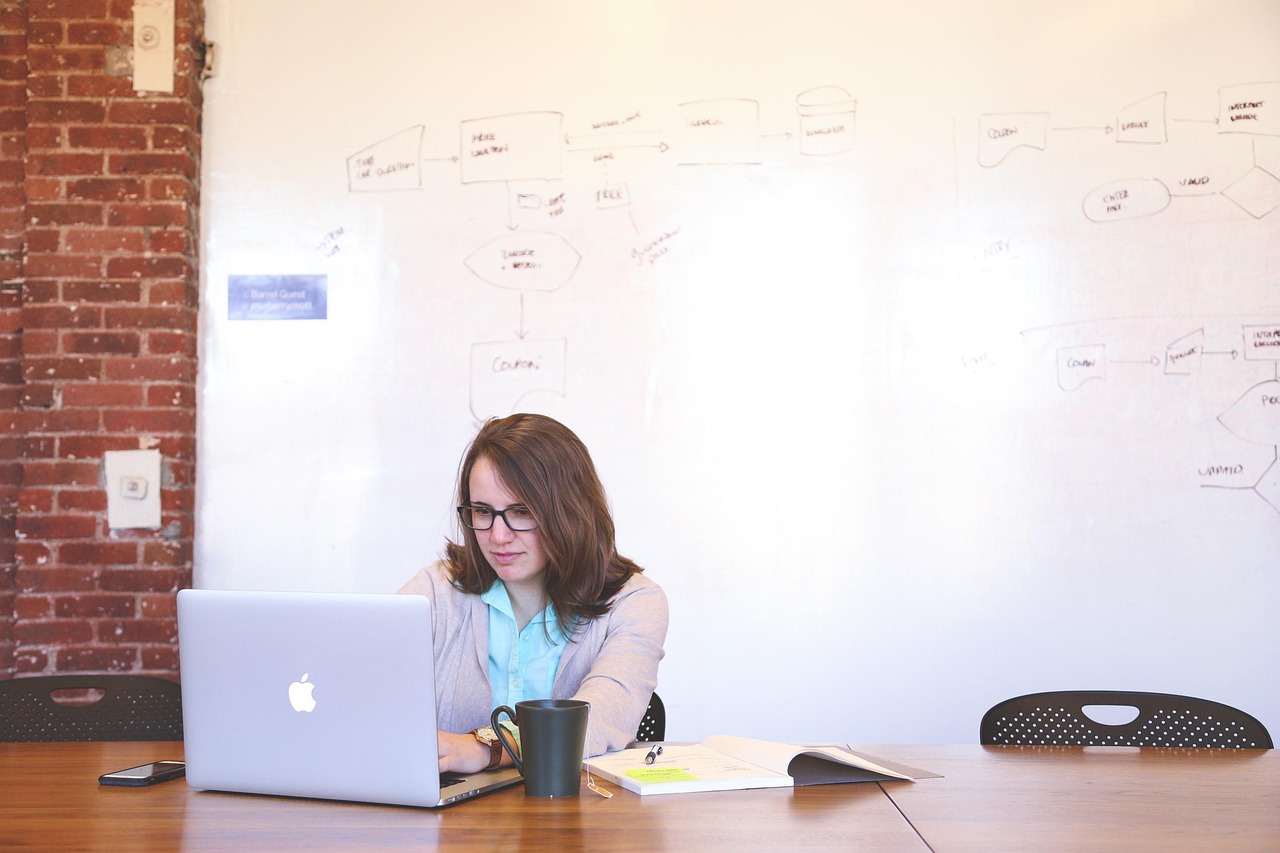
Building custom business software Nigeria requires a clear separation of concerns. You should never allow your team to work on the same environment that your customers use. This separation ensures that even if a developer makes a mistake, the operational side of your business remains untouched.
Many founders worry about the cost of maintaining two versions of their application. It is a valid concern, but compare that to the cost of a full day of downtime. When your system goes down, you lose credibility, staff time, and direct revenue. Maintaining a staging environment is cheap insurance against these operational failures.
You do not need to overcomplicate this process. Start by keeping it simple and repeatable. You should have a clear path for every change you make to your software.
This flow forces a review process. It gives you the chance to look at the new feature yourself before your customers do. It prevents the panic of emergency bug fixes on a Sunday night. If your business relies on interconnected tools, consider reviewing your current systems integration to ensure that staging testing covers all your data flows.
Managing software is not just about writing code. It is about managing risk. If you are struggling with a system that feels fragile every time you add a new feature, we can look at your current setup. Book a consultation to have us review your deployment process and help you move toward a more stable environment.
A staging environment is a copy of your live software application used for testing. It runs on the same infrastructure and configuration as your public site but is restricted to your team. It allows you to test new features or updates safely without impacting your actual customers or business data.
Yes. If your business relies on your software to take orders, track inventory, or manage staff, any downtime is a direct hit to your revenue. A staging environment prevents accidental crashes that would otherwise stop your business from functioning. It is not about scale; it is about reliability.
The cost varies based on your hosting setup. Most modern cloud providers allow you to clone environments at a fraction of the cost of your primary server. The expense is minimal when compared to the revenue lost during a significant system outage caused by an untested update.
Your developers should perform initial functional testing, but the business owner or a key team member should perform user acceptance testing. You know how your business actually operates. Testing in staging ensures the new feature works exactly how you need it to, not just how the developer thinks it should work.
Software development is the process of building, maintaining, and improving the digital tools that keep your business running. It is not just about writing code. It is ab...
All 4 articles on Software Development